


Let’s be honest. You didn’t join procurement to become a law expert. Your goal is to get materials at the right price and on time. But, you’re facing the Toxic Substances Control Act, which can turn a smooth supply chain into a customs standoff.
But, TSCA compliance is not just red tape. It’s your secret weapon for a resilient supply chain. It’s the difference between your shipment going through smoothly and getting stuck.
We’re cutting through the legal jargon to focus on what matters when buying chemicals. This guide covers the three key areas: knowing if your substance is allowed (the Inventory), spotting new rules (SNURs), and mastering import certification paperwork.
Think of this as your sarcastic, practical field manual. We’re here to make sure your next chemical purchase doesn’t cost you a fortune in penalties.
TSCA Inventory: how to verify active status (PMN/LVE flags)
Checking a chemical’s TSCA status is more than just a simple check. It’s like doing a deep background check. You’re looking into its whole history in the U.S.
The TSCA Inventory is like the U.S. chemical census. Active substances are those in use from 2006 to 2016. They can usually be used without extra EPA checks.
Inactive substances are no longer in use. To use them again, you need to file a Notice of Activity (NOA). It’s like turning on a utilities account again.
The public inventory online is updated twice a year. As of July 2025, it lists 86,862 substances. 42,578 are marked as active. This list is helpful but outdated.
The EPA’s master list is always up to date. It’s the real source. The public list doesn’t show everything, like chemicals with Confidential Business Information (CBI) protection.
Flags are key. A PMN flag means a substance was added with a Premanufacture Notice. It was new and needed lots of paperwork.
An LVE (Low Volume Exemption) flag means the chemical is listed but has limits. It’s here but closely watched.
Verifying a chemical’s status is complex. First, check the public inventory. Then, confirm with your supplier. Ask if CBI claims affect the listing.
For buyers, ask your supplier about the chemical’s TSCA status. Don’t just ask if it’s listed. Ask for its exact name and if it’s active or inactive. Also, ask about any PMN or LVE flags.
Skipping this step can lead to trouble. You might have to file EPA paperwork or deal with Section 8 reporting. Checking the status is your first defense.
SNUR Screening: identifying significant new use constraints
Verifying your chemical is on the active list is just Act I in this regulatory drama—enter the Significant New Use Rule for the unexpected sequel. You thought the screening was over? The EPA specializes in encores. A SNUR (Significant New Use Rule) is the regulatory equivalent of your college professor adding a surprise final essay to the syllabus after you’ve already aced the midterm.
Here’s the legal mechanics: Under TSCA section 5(a)(2), the EPA can retroactively decide that an existing chemical, when used in a novel way, poses unreasonable risk. It’s not about banning the substance. It’s about controlling the script. The chemical actor is fine, but if you change its role dramatically, you need the director’s permission.
Think of isopropyl alcohol. It cleans circuits beautifully. But if your supplier pivots to marketing it as an aerosolized disinfectant for entire office buildings, scaling production a thousandfold, you’ve just jumped from a supporting role to a lead part. That new script requires a Significant New Use Notice (SNUN), submitted at least 90 days before curtain call.
Your screening process must evolve from checking a static list to analyzing dynamic intent. It’s predictive compliance. Are you moving a chemical from industrial floors to consumer shelves? Are you whispering its name in small batches but planning to shout it from the rooftops in massive volumes? Changing the method of application from a brush to a spray?
Each of these shifts could trigger a SNUR. Failing to screen for them isn’t just an oversight; it’s buying a non-refundable ticket to a country that just changed its visa requirements. You’ll be stuck at customs, holding the bag.
The table below breaks down common triggers. Consider it your SNUR detection checklist:
| SNUR Trigger Category | What It Means | Real-World Example | Your Screening Question |
|---|---|---|---|
| Volume Escalation | Dramatically increasing production or import quantities beyond historical levels. | A solvent used in 100-gallon batches now ordered in 10,000-gallon tankers. | “Are we scaling this operation like a Silicon Valley startup?” |
| Application Shift | Using the chemical for a purpose fundamentally different from its established use. | A metal degreaser repurposed as an ingredient in a new cosmetic line. | “Is this chemical going through a career change?” |
| Consumer Exposure | Moving from controlled industrial settings to general public or consumer use. | A specialized polymer used in factories now formulated into DIY home kits. | “Will this end up in someone’s garage or living room?” |
| Process Alteration | Changing how the chemical is handled, processed, or contained during use. | Moving from closed-system processing to open-air application methods. | “Are we removing the safety rails from this process?” |
| Geographic Expansion | Introducing the chemical to regions or environments where it wasn’t previously used. | A chemical approved for arid climates now shipped for use in humid coastal areas. | “Are we sending this chemical on a vacation to a completely new ecosystem?” |
The 90-day SNUN submission window isn’t a suggestion—it’s a regulatory intermission. This pause allows the EPA to review the new use scenario. It’s their version of “let me think about it.” Starting manufacture or processing without this notice is like starting construction without a permit. The inspector will show up.
This is where TSCA section 5 and section 8 dance together. Section 5 creates the rule (SNUR), while section 8 reporting requirements help the EPA monitor compliance. It’s a regulatory feedback loop designed to catch innovation before it becomes a problem.
So how do you screen effectively? Don’t just look at the Safety Data Sheet. Interrogate the supply chain narrative. Ask your supplier: “Is this the same old song, or are we writing new lyrics?” Document the intended use with specificity in your contracts. Assume that any significant deviation from the historical pattern will raise a flag.
Remember, the EPA isn’t against progress. They’re against unpleasant surprises. A SNUR is their mechanism for ensuring that chemical innovation doesn’t outpace safety understanding. Your job is to make sure your purchasing decisions don’t become case studies in what happens when you skip this chapter of the regulatory playbook.
Import/Export Certification Statements (Positive/Negative)
The ACE portal is like the velvet rope at a U.S. commerce club. Your import certification is the secret handshake to get in. If you get it wrong, you’re left outside, watching your shipment gather dust.
This isn’t just paperwork. It’s a digital oath for every chemical substance or mixture crossing the border.
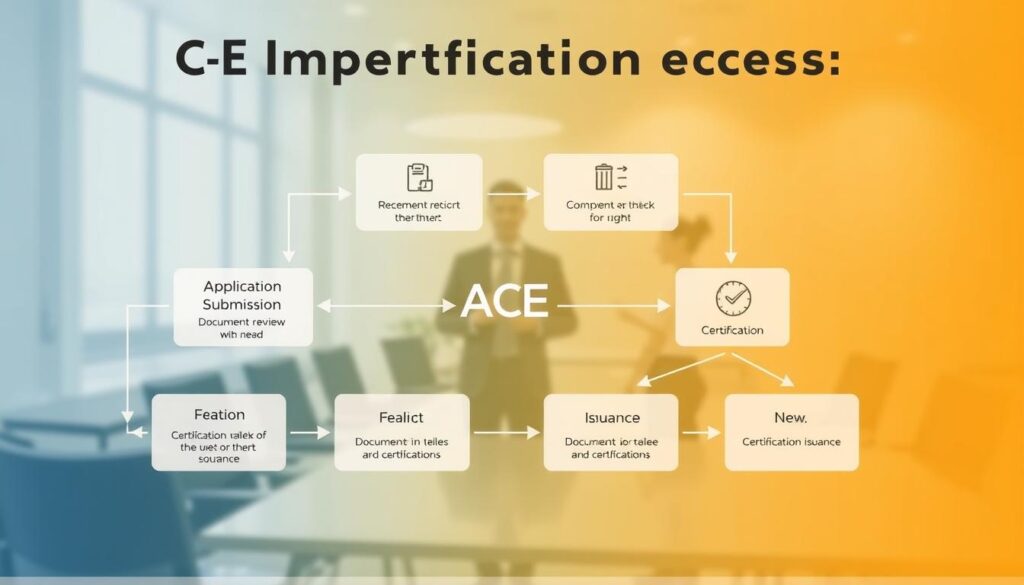
You have a binary choice with big consequences. Let’s break down the two options, because your selection here is the ultimate test of all your prior homework.
The Positive Certification: Your Sworn Affidavit
This is the full compliance route. By selecting a positive certification, you are legally declaring: “I certify that all chemical substances in this shipment comply with all applicable rules or orders under TSCA…”
This means you’ve checked all the boxes, including Sections 5, 6, 7, and Title IV. You’re saying you’ve verified the inventory status and cleared any SNUR hurdles. If a chemical in your shipment is under a Significant New Use Rule and you haven’t filed a SNUN, your positive certification is a lie.
The system operates on an honor code, but Customs penalties are harsh.
The Negative Certification: Diplomatic Immunity for Molecules
This is the escape hatch, but it’s narrower than you think. A negative certification states: “I certify that all chemicals in this shipment are not subject to TSCA.”
This isn’t for things you merely hope aren’t regulated. It’s strictly for substances that have a different regulatory home. We’re talking pesticides (USDA’s domain), drugs and cosmetics (FDA’s turf), or food (also FDA).
The subtle, sarcastic catch? If your product is “clearly identified” as one of these, you’re good. If it’s a chemical used industrially that you’re pretending is a “food additive,” you’ve just committed a very expensive misrepresentation.
| Certification Type | Official Statement | When to Use It | The Core Requirement | The Trap |
|---|---|---|---|---|
| Positive Certification | Shipment complies with all TSCA rules. | For any chemical substance or mixture subject to TSCA. | You must have verified inventory status and cleared all SNURs. | Filing positive for a SNUR-controlled chemical without a SNUN is a false certification. |
| Negative Certification | Shipment is not subject to TSCA. | Only for TSCA-excluded articles (e.g., pesticides, drugs, food). | The product must fall under another federal agency’s exclusive jurisdiction. | Using it for a standard industrial chemical to avoid work guarantees an audit and penalties. |
And what about chemicals inside articles—like solvents in a machine or plasticizers in a toy? Here’s a rare bit of simplicity: no certification is typically required for the chemical within an article. Unless a specific TSCA rule (looking at you, certain PFAS or asbestos regulations) says differently. Always check the specific rule.
Your choice at this moment is the culmination of your compliance diligence. A positive cert is a badge of completed work. A negative cert is a legitimate pass. Choosing the wrong one isn’t an error—it’s a beacon for scrutiny.
Articles vs Substances/Mixtures: what counts and when
Did you know your imported plastic keyboard might not need TSCA certification? But the toner cartridge next to it might? This is all about article classification.
This isn’t just about rules. It’s about avoiding customs delays. The EPA clearly states what’s regulated and what’s not. It’s important to know this line.
Let’s look at the definitions clearly:
| Category | EPA Definition | TSCA Import Certification |
|---|---|---|
| Substance | A single chemical element or compound | Almost always required |
| Mixture | Two or more substances combined without chemical reaction | Almost always required |
| Article | Manufactured item with specific form/function; no intended chemical release during use | Generally NOT required (with exceptions) |
The article exemption is like a hall pass in TSCA. Your plastic keyboard is made of PVC, a chemical substance. But the finished keyboard is an article, so no certification is needed.
But, procurement teams often get confused. They think “exemption” means “no rules.” The EPA looks at intent.
Is the chemical meant to be released? That’s the big question. An air freshener releases scent chemicals. A toner cartridge releases powder. A treated fabric might release fungicide. These aren’t articles to the EPA—they’re regulated substances or mixtures.
Here are some examples:
- The “Almost Article”: A sealed battery. The chemicals inside don’t release during normal use. It’s an article. But if it leaks? Different story.
- The “Wolf in Sheep’s Clothing”: Composite wood products. They’re articles, right? Not under TSCA Title VI, which regulates formaldehyde emissions from them.
- The “Gray Zone”: A printer cartridge. Empty? It’s an article. Filled with toner? Now it’s a mixture. Your paperwork needs to match reality.
The exemption goes away when specific TSCA rules apply. Formaldehyde in composite wood. Asbestos in certain products. PFAS in articles. These aren’t loopholes—they’re exceptions to the exception.
My advice: Be skeptical of “article” claims. Ask three questions:
- Is this truly a manufactured item with specific form?
- Are the chemicals inside meant to stay inside during normal use?
- Is there a specific TSCA rule targeting this exact type of product?
Get one “wrong” answer, and you’re back in certification territory. It’s not about finding loopholes. It’s about accurate classification.
The cost of error is high. Call something an article when it’s not? You’ve skipped required certification. That’s a violation. Call something a substance when it’s actually an article? You’ve done unnecessary paperwork. That’s just wasted time and money.
In the TSCA compliance game, the article distinction is your strategic advantage or your Achilles’ heel. Classify correctly, and you streamline imports. Misclassify, and you’re explaining yourself to customs officials. Choose wisely.
CDR Reporting Awareness (Supplier Responsibilities)
If TSCA were a reality show, CDR would be the ‘confessional’ where chemical manufacturers spill their production secrets to the EPA. Every four years, this mandatory tell-all happens—the Chemical Data Reporting rule under TSCA section 5/8. It’s not glamorous, but it’s mandatory.
Here’s how it works: if your supplier manufactures or imports 25,000 pounds or more of a specific chemical at one site per year, they must report volumes, uses, and worker exposure data. The EPA wants the full picture. The next reporting window is 2028, covering data from 2024 through 2027.
Most buyers glance at this requirement and think, “Supplier problem, not mine.” That’s the comfortable assumption. But comfortable assumptions in regulatory compliance are like believing your umbrella will work in a hurricane—optimistic but flawed.
The analytical observation here is simple: when your supplier is scrambling to meet a CDR deadline, their focus shifts. Your just-in-time delivery becomes secondary to their EPA paperwork. Suddenly, that reliable partner is one regulatory letter away from operational chaos.
Now for the twist that procurement teams often miss. If you are the importer of record, you are the “importer” for CDR purposes. The regulatory burden doesn’t stop at your supplier’s dock. It follows the chemical right to your receiving department.
This creates what I call shared regulatory visibility. You don’t need to file the reports yourself (unless you’re hitting that 25,000-pound threshold). But you absolutely need to know if your supplier is compliant. Their disorganization becomes your supply chain risk.
Think of it this way: the Chemical Data Reporting rule is TSCA’s census. It happens every four years via the EPA’s e-CDRweb tool. Manufacturers and importers must participate. As a buyer, you’re not filling out the form, but you’re affected by whether your partners complete theirs accurately and on time.
A savvy procurement strategy includes one simple question during supplier evaluations: “Are you CDR-ready for our projected volume?” The answer tells you everything. It reveals their compliance infrastructure, their data management capabilities, and their regulatory awareness.
This isn’t about becoming an EPA expert. It’s about understanding that TSCA section 5/8 compliance has ripple effects. A supplier missing their reporting obligations may face penalties, production restrictions, or increased scrutiny. All of which could delay your materials.
The smart approach? Treat CDR awareness as a supplier qualification metric. Ask for their reporting calendar. Understand their thresholds. Know whether your purchases push them over the 25,000-pound line at any single site.
This separates compliant, organized partners from those operating on regulatory luck. In today’s supply chain, luck isn’t a strategy. It’s an impending customs hold waiting to happen.
TSCA Risk Management Rules: When Chemicals Get the Regulatory Death Penalty
If TSCA were a movie, Section 6 would be the dramatic third act where the villain gets their comeuppance. We’ve talked about the administrative groundwork—inventory checks, SNUR screening, import certifications. But this is where the plot thickens. When a chemical’s reputation becomes truly toxic, it graduates from paperwork to prohibition.
TSCA Section 6 is the EPA’s enforcement arm. It’s not about tracking or reporting. It’s about control, phase-outs, and sometimes, outright bans. Think of it as the regulatory equivalent of putting a dangerous substance in handcuffs.

Let’s meet the usual suspects. Asbestos is the OG regulatory target—a carcinogen with a legacy so dark it spawned its own Superfund sites. Methylene chloride in paint strippers? That’s the consumer product nightmare that made headlines when DIYers faced fatal exposures. Then there’s the PFAS family, the “forever chemicals” building a regulatory dossier thicker than a Tolstoy novel.
For procurement professionals, this isn’t abstract policy. This is where high-stakes regulation crashes directly into your bill of materials. You’re not just buying a solvent or a coating. You’re potentially acquiring a legacy liability. These rules create operational landmines:
- Outright bans on manufacture, import, or specific uses
- Strict controls on concentrations, applications, or user protections
- Phasedown schedules that give you a ticking clock to find alternatives
- Labeling and SDS requirements that go beyond OSHA’s baseline
Here’s where it gets intellectually fascinating. TSCA Section 5 orders and SNURs often serve as the warning shots. A Significant New Use Rule might restrict how an existing chemical can be employed. But when the EPA pulls the TSCA Section 6 trigger, it’s declaring all-out war on a substance’s commercial life.
The connection between sections is key. A TSCA Section 5(e) consent order might limit production volume or require protective gear. A SNUR might prohibit certain industrial applications. But TSCA Section 6 rules can make the chemical persona non grata in entire market segments.
Consider the regulatory trajectory. PCBs and mercury had their day in court decades ago. Asbestos restrictions have evolved through multiple administrations. Today, PFAS chemicals are experiencing what one might call “regulatory velocity.” The EPA’s recent agenda signals that aggressive action on these substances isn’t slowing down, as detailed in analysis of the agency’s continuing prioritization of TSCA and PFAS.
This creates a procurement paradox. You need to conduct both historical and futurist analysis. What’s this chemical’s regulatory past? More importantly, what’s its likely regulatory future? Is it the next target for a TSCA Section 6 hammer?
Ignoring this dimension is like investing in videocassette manufacturing in 2004. Technically possible, but strategically foolish. Your sourcing decisions must now account for regulatory sunset clauses.
The data requirements under TSCA Section 8 feed directly into these risk determinations. The EPA uses information from CDR reporting, testing mandates, and substantial risk notifications to build cases for TSCA Section 6 actions. It’s an ecosystem of regulation where one section’s paperwork becomes another section’s evidence.
Practical implications for buyers? Three immediate questions:
- Does any substance in our supply chain have existing TSCA Section 6 restrictions?
- Are we using any chemicals that are on regulatory watch lists for possible future action?
- Do our suppliers have contingency plans for phasedowns or substitutions?
This isn’t mere compliance. It’s supply chain resilience. When a TSCA Section 6 rule drops, alternative chemicals spike in price and scarcity. Early adopters of substitutes gain competitive advantage. Latecomers face cost crises and possible production halts.
The witty truth? TSCA Section 6 turns chemical procurement into a game of regulatory chess. You’re not just moving pieces on today’s board. You’re anticipating moves three turns ahead. Because in this game, checkmate means your production line stops.
Recordkeeping & Supplier Declarations Language
If your supplier’s compliance declaration is vague, you’re setting up a shaky recordkeeping system. Paperwork is like spinach for procurement—it’s not exciting but it’s essential for compliance.
This isn’t about hoarding paper. It’s about creating a strong narrative of due diligence. When the EPA asks about compliance, you need a well-organized file, not a frantic search.
For general chemical imports, you need three key pieces:
- The import certification (positive or negative) you filed.
- The supplier’s Safety Data Sheet (SDS) with its TSCA status.
- Any correspondence related to Premanufacture Notices (PMN) or Significant New Use Rules (SNUR).
For specific rules like TSCA Title VI on formaldehyde in composite wood, the rules are strict. You must keep bills of lading, invoices, or similar documents for three years. You also need a written statement from the supplier confirming compliance. This statement must be clear and direct.
Clear language is your ally. Vague statements can be a problem. Your filing system should be clear and organized, like a legal brief.
Your digital archive should be like your compliance brain. A disorganized system can lead to forgetfulness. A well-organized system is proactive and efficient.
Let’s get practical. The key is not just having a statement, but what it says. Below is a comparison between a strong declaration and a weak one.
| Declaration Type | Example Language | Why It Matters |
|---|---|---|
| Weak & Vague | “Product meets applicable standards.” or “Compliant with regulations.” | It’s meaningless. Which standards? Which regulations? It offers no specific defense and invites regulatory interpretation. |
| Strong & Actionable | “This composite wood product complies with TSCA Title VI formaldehyde emission standards, 40 CFR Part 770.” | It names the specific law (TSCA Title VI), the rule (40 CFR Part 770), and the hazard (formaldehyde emissions). It leaves zero room for doubt. |
| For General Chemicals | “All chemical substances in this shipment are listed on the TSCA Inventory or are in compliance with TSCA Section 5 and 6 requirements.” | It directly references TSCA’s core sections (5 for new chemicals, 6 for restrictions), demonstrating specific knowledge of the law’s architecture. |
Your goal is to make your recordkeeping system easy to use. Finding a three-year-old document should be a positive experience. It’s the backbone of smart procurement. When your records are clear, you’re not just complying—you’re building a strong foundation.
Case Studies: avoiding holds at customs
The customs hold is like a flat tire on the highway of global commerce. It’s sudden, expensive, and preventable with proper maintenance. Companies that ignore import certification face this problem often.
Let’s look at three real cases where ignoring compliance checks led to trouble.
A manufacturer thought “plastic resin pellets” were exempt. They believed the pellets would become molded parts. But customs officials said they were raw chemical mixtures needing TSCA documentation.
The shipment was held, stopping production. This mistake cost them weeks and thousands of dollars. The lesson? Customs classification is more important than what you wish.
Case Study 2: The Silent SNUR
A team bought a metal alloy for electronics, thinking it was okay. They had a positive certification from their supplier. But, a Significant New Use Rule (SNUR) for this alloy in electronics was issued six months earlier.
Their certification was invalid. The shipment was rejected. The SNUR had changed the rules without anyone noticing.
Case Study 3: The Inactive Innocence
A pharmaceutical company needed a solvent last used in 2005. It was on the TSCA Inventory, so they thought it was fine. But, the chemical was marked “inactive,” and no Notice of Activity (NOA) had been filed.
They had imported a new chemical without the required Section 5 review. Their defense of innocence didn’t help.
| Case Study | Core Mistake | Immediate Consequence | Preventive Solution |
|---|---|---|---|
| The Assumed Article | Misclassifying a substance mixture as an exempt article | Shipment held; production halted | Verify substance/article status with customs codes before ordering |
| The Silent SNUR | Failing to monitor for new Significant New Use Rules | Invalid certification; shipment rejected | Implement quarterly SNUR screening for all imported substances |
| The Inactive Innocence | Assuming “on inventory” equals “free to import” | Violation for importing an inactive chemical | Check active/inactive status and file NOA if needed before shipment |
The main issue in these cases? A broken link in the verification chain. The customs hold is just a symptom. The real problem is a procurement process that doesn’t take compliance seriously.
Think of it like buying a car without checking if it needs special fuel. Why import chemicals without checking their regulatory status?
Every shipment needs proper import certification. It’s not just paperwork. It’s a legal statement of compliance. Getting it wrong is not a mistake; it’s a self-inflicted wound.
The solution is simple but requires effort. Add verification steps to your buying process. Don’t just rely on supplier statements. Use a comprehensive TSCA import compliance checklist before you buy. It should cover inventory status, SNURs, and certification needs.
In international trade, the worst assumption is that someone else has done your homework.
TSCA Compliance Checklist for POs & Contracts
Think of your next purchase order as a final exam where you write the answers first. This checklist turns a simple price quote into a binding pact for regulatory integrity.
Start with the Inventory Pre-Check. Is that chemical’s CAS number on the EPA’s TSCA Inventory? Is it active or inactive? Look for any PMN or LVE flags that signal special handling.
Then, check the SNUR Screen. Does your intended use match the chemical’s established uses? Cross-reference the EPA’s SNUR list for that specific CAS number. A mismatch here is like ordering decaf but getting espresso.
Your Certification Protocol needs clarity. Is this a TSCA chemical requiring a Positive Certification, or an excluded item needing a Negative one? Confirm who handles the ACE filing. This import certification is your passport through customs.
Next, do the Article Analysis. Is your shipment truly an article exempt from certification? If yes, document that rationale like a lawyer building a case.
Build Supplier Accountability into the contract. Require current Safety Data Sheets, notification of any new SNURs, and confirmation of their CDR reporting responsibilities based on manufacturing volume. The Chemical Data Reporting rule isn’t your problem until your supplier makes it yours.
Lastly, set the Recordkeeping Trigger. Establish a system to file every import certification and supplier declaration, like Title VI statements, for the required retention period. Paper trails win races.
Embed these six questions in your procurement process. You stop being just a buyer. You become the Sage who sees the regulatory matrix before the cargo ships.