

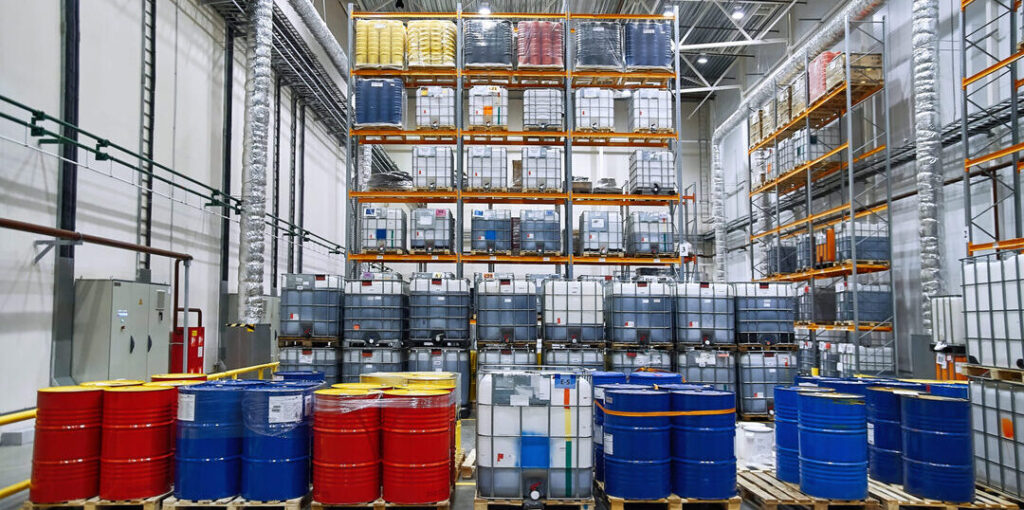
In industrial environments, safety is not a secondary function—it is the foundation of every operation. The importance of chemical storage and handling best practices becomes clear when even minor oversights can lead to serious consequences, from workplace injuries to regulatory violations.
From my perspective, facilities that succeed in managing chemical risks are those that treat safety as a system rather than a checklist. Every process, from receiving materials to daily handling, must align with a structured and well-understood framework.
Understanding Chemical Hazards and Risk Profiles
Before any chemical is stored or handled, its properties must be fully understood. Safety Data Sheets (SDS) provide essential information about hazards such as flammability, toxicity, and reactivity.
Proper classification allows facilities to organize chemicals based on compatibility. Without this step, incompatible substances may be stored together, increasing the risk of dangerous reactions.
What stands out is that risk awareness is the first layer of protection. When teams understand the materials they are working with, they can make informed decisions that prevent incidents before they occur.
Core Storage Principles That Prevent Incidents
Effective storage is built on control, separation, and environmental management. Chemicals must be stored according to their physical and chemical properties to ensure stability and safety.
| Storage Principle | Purpose | Risk Mitigated |
|---|---|---|
| Segregation | Separate incompatible substances | Chemical reactions |
| Ventilation | Reduce vapor accumulation | Fire and inhalation risks |
| Temperature Control | Maintain chemical stability | Degradation and pressure buildup |
| Secondary Containment | Capture leaks and spills | Environmental and facility damage |
These principles form the backbone of chemical storage and handling best practices, ensuring that materials remain stable and controlled within the facility.
Safe Handling Procedures in Daily Operations
Handling chemicals safely requires consistency and discipline. Employees must follow established procedures, including proper labeling, controlled transfer methods, and the use of appropriate personal protective equipment (PPE).
Routine actions—such as sealing containers, verifying labels, and minimizing exposure—play a significant role in maintaining safety. These practices may seem simple, but they are critical in preventing incidents.
For facilities aligning material use with operational needs, this resource on industrial chemical selection provides insight into how properties influence safe application and handling.
Training and Safety Culture as Operational Drivers
Even the most advanced systems depend on human behavior. Training ensures that employees understand not only procedures but also the reasons behind them.
A strong safety culture reinforces these practices, making them part of daily operations rather than isolated requirements. Facilities that prioritize training and communication often experience fewer incidents and greater operational efficiency.
From what I’ve observed, the most effective programs are those that integrate safety into every level of the organization.
Emergency Preparedness and Incident Response
No facility is immune to risk, which is why preparedness is essential. Emergency response plans must be clearly defined and regularly practiced.
This includes access to spill kits, eyewash stations, and clearly marked evacuation routes. Employees should be trained to respond quickly and effectively to minimize the impact of incidents.
OSHA chemical safety standards, preparedness and proper response protocols are critical components of workplace safety and regulatory compliance.
Compliance and Documentation Requirements
Regulatory compliance is a key aspect of chemical management. Facilities must maintain accurate records, including inventory logs, labeling systems, and safety documentation.
These requirements ensure accountability and provide a structured approach to risk management. Compliance is not just about meeting regulations—it is about maintaining a safe and efficient operation.
Accurate documentation also supports audits and inspections, reducing the likelihood of penalties or operational disruptions.
Technology and Modern Safety Enhancements
Advancements in technology are transforming how facilities manage chemical safety. Digital tracking systems, automated monitoring, and data analytics provide real-time insights into storage conditions and inventory levels.
These tools improve accuracy, enhance traceability, and support proactive decision-making. They also reduce reliance on manual processes, minimizing the risk of human error.
From my perspective, technology is becoming an essential component of modern safety systems, complementing traditional practices.
Conclusion: Building a System That Protects People and Performance
Implementing chemical storage and handling best practices is not just about compliance—it is about creating a system that protects people, assets, and operations.
Facilities that prioritize safety benefit from reduced risk, improved efficiency, and stronger operational resilience. This approach ensures that safety is not an obstacle, but a driver of long-term success.
In the end, the most effective chemical management strategies are those that combine knowledge, structure, and continuous improvement—creating an environment where safety and performance go hand in hand.